What Vaccines Are Required for the USCIS Immigration Medical Exam?
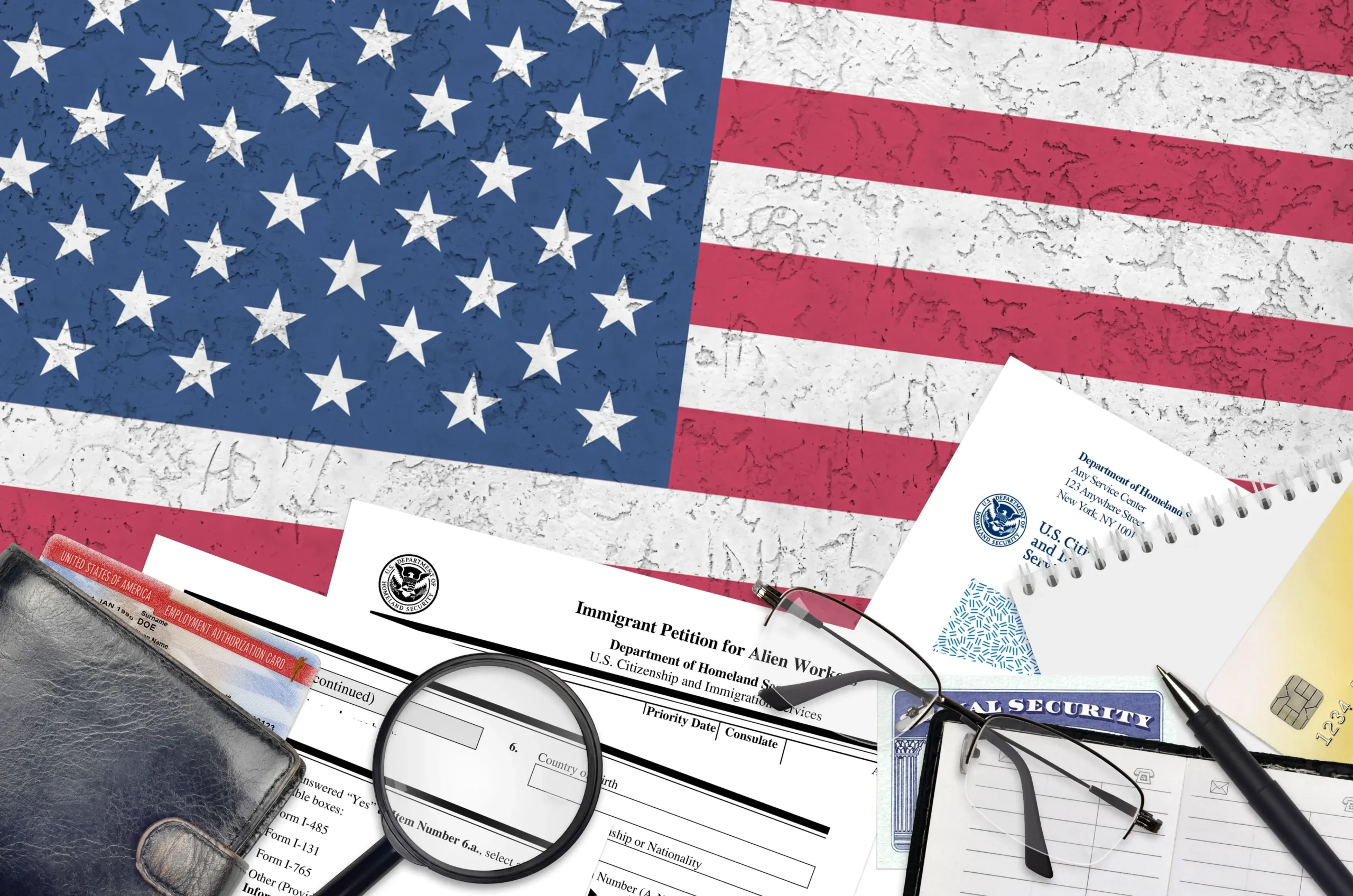
If you are applying for a green card, one of the important steps in the process is completing the USCIS immigration medical exam. This exam is required for most applicants and is designed to confirm that you do not have any medical conditions that would make you inadmissible to the United States. The medical exam also ensures that you meet certain vaccination requirements set by the U.S. government to protect public health. (For a full overview of what to expect, TrueCare Medical provides a helpful guide here.)
Vaccination requirements may feel overwhelming at first, but they are a standard part of the process. According to the Centers for Disease Control and Prevention (CDC), vaccines prevent more than 4 million deaths worldwide each year and save countless others from serious illness. Because vaccines are such an essential public health tool, they are included in the immigration medical screening to protect both immigrants and the broader U.S. population. In this article, we’ll break down which vaccines are required, how doctors determine what you need, and what you can expect during this part of the USCIS immigration medical exam.
Why Vaccinations Are Required for Immigration

Vaccines are required for immigration under the Immigration and Nationality Act (INA). The law states that anyone applying for U.S. permanent residence must show proof that they have received vaccinations recommended by the Advisory Committee on Immunization Practices (ACIP). These requirements help protect the public from preventable infectious diseases and reduce the spread of high-risk illnesses.
Vaccinations also ensure that new immigrants have the same health protections as the general U.S. population. This keeps communities safe, lowers the risk of outbreaks, and supports long-term public health.
Another important reason is that many vaccine-preventable diseases, such as measles or chickenpox can spread quickly in schools, workplaces, and families. Since the United States has worked hard to keep infection rates low, ensuring incoming residents are vaccinated helps maintain that safety. For these reasons, vaccines are not optional. They are a required part of the USCIS immigration medical exam, unless there is a legitimate medical, age-related, or documented exception.
The Official USCIS Vaccine Requirements
The CDC provides an official chart showing which vaccines are required based on the applicant’s age group. You can view the most updated version here.
Below is a summary of the vaccines commonly required for the USCIS immigration medical exam. Note that your required list may vary based on your age, history, or health status.
Core Vaccines Required for Most Applicants
- MMR (Measles, Mumps, Rubella)
- Varicella (Chickenpox)
- Tdap / Td (Tetanus, Diphtheria, Pertussis)
- Polio
- Influenza (Seasonal Flu)
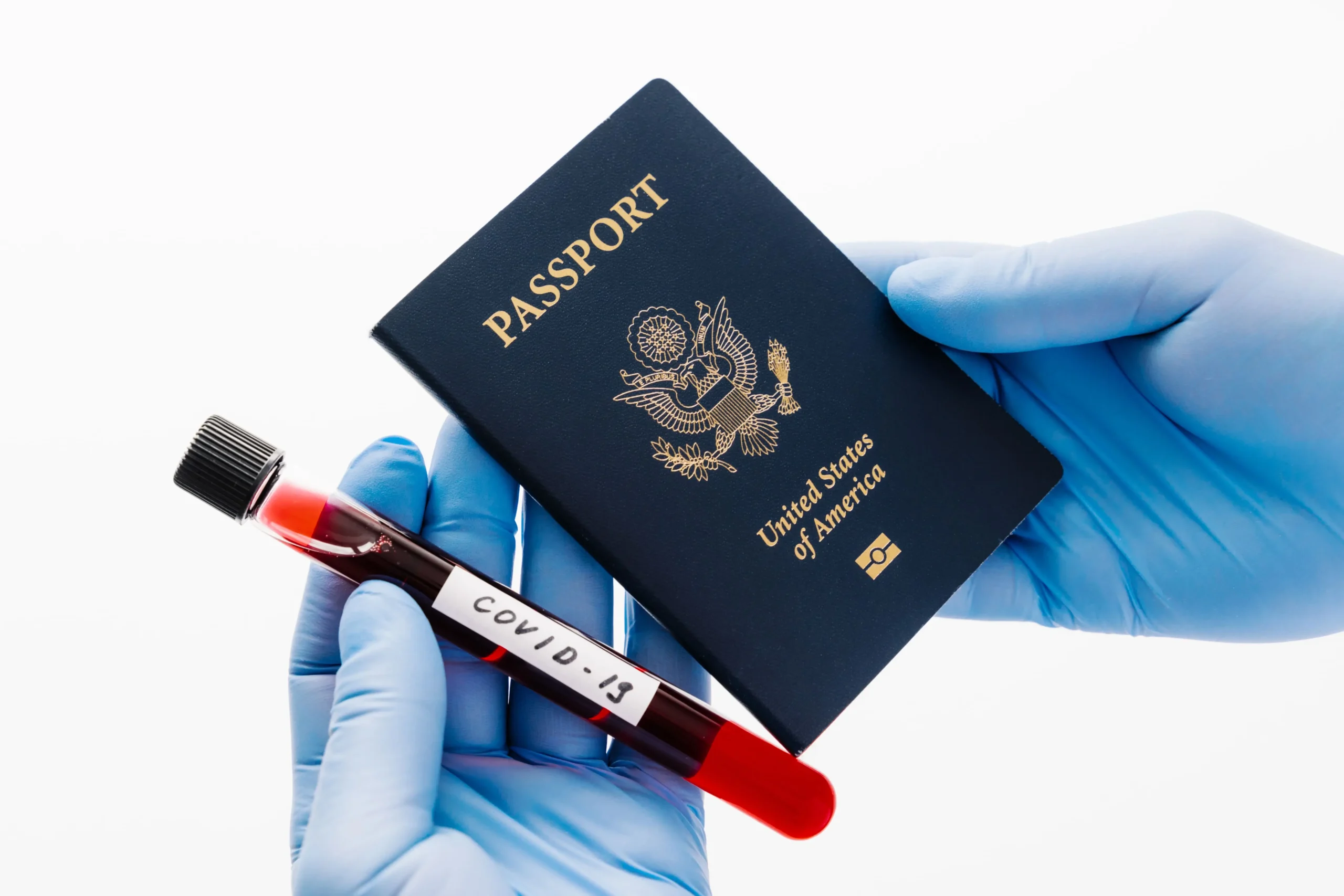
- COVID-19 vaccine (required depending on current CDC and USCIS rules)
Additional Vaccines Depending on Age
- Hepatitis A
- Hepatitis B
- Haemophilus influenzae type b (Hib)
- Rotavirus
- Pneumococcal
- Meningococcal
- Human Papillomavirus (HPV)
- RSV (only for specific age groups, if applicable)
Exceptions and Medical Ineligibility
Certain vaccines may be marked as “not medically appropriate” if:
- You are too young or too old for the vaccine.
- You already have documented immunity
- You have a medical contraindication.
- The vaccine is not available in your region.
The Civil Surgeon will document each vaccine decision carefully on Form I-693, which will be submitted to USCIS as part of your green card application.
How the Civil Surgeon Decides Which Vaccines You Need
A certified Civil Surgeon is the only person who can perform the official immigration medical exam. During your appointment, the doctor reviews your medical history, evaluates your vaccination records, and determines which vaccines are required based on current CDC guidelines. Several factors influence the final vaccine decision:
STAY UPDATED WITH THE BEST VIETNAMESE
Sign up for our newsletter to get the latest reviews, exclusive deals, and special offers right in your inbox.
1. Age
Some vaccines are only required at certain ages. For example, the rotavirus vaccine is only for infants, while HPV is mainly for younger adults.
2. Vaccination History
If you already received vaccines in your home country and have proper documentation, the Civil Surgeon can accept them. The records must be clear, accurate, and written in English or accompanied by a certified translation.
3. Proof of Immunity
For vaccines such as MMR or Varicella, a blood test (called a titer) can sometimes be used to prove immunity instead of receiving another dose.
4. Medical Conditions
If you have a condition that makes a vaccine unsafe—such as a severe allergy, weakened immune system, or pregnancy—the Civil Surgeon may classify the vaccine as “not medically appropriate.”
5. Seasonal Factors
The influenza vaccine, for example, is required only during flu season.
The Civil Surgeon’s job is to follow the CDC’s Technical Instructions closely. They cannot add or remove requirements based on preference—they must follow federal guidelines to ensure your I-693 immigration form is completed correctly.
Common Questions & Concerns
1. What if I can’t find my vaccination records?
You are not alone. Many applicants do not have complete records. If needed, the Civil Surgeon may recommend repeating vaccines or ordering blood tests to check your immunity.
2. Can I refuse a vaccine?
Refusing a required vaccine without a qualifying waiver can make you inadmissible to the United States. However, some exceptions exist, such as:
- Religious or moral waivers (Form I-601)
- Medical contraindications
- Age-related exceptions
3. Are vaccines safe during pregnancy?
Some vaccines are not recommended during pregnancy. Your Civil Surgeon will classify them as “not medically appropriate.”
4. Can I bring vaccines I received from another clinic?
Yes, as long as the records are official, complete, and clearly documented. They must include the date, vaccine type, manufacturer, lot number, and the provider’s signature.
5. Do I need to complete all doses?
If a vaccine requires multiple doses over several months (like Hepatitis B), you only need to receive the next dose that is due. The Civil Surgeon will note that the remaining doses can be completed later.
TrueCare Medical’s U.S. Citizenship & Immigration Medical Exams and Vaccination Services in Lilburn & Suwanee, GA
If you are completing your USCIS immigration medical exam in Lilburn & Suwanee, Georgia. TrueCare Medical offers a fully certified and patient-friendly service to help you complete your requirements smoothly. TrueCare is an approved Civil Surgeon provider and offers:
- Complete USCIS immigration medical exams
- On-site vaccinations required for immigration
- Assistance reviewing your vaccination history
- Lab testing for immunity levels
- Same-week appointments
- Fast and accurate completion of Form I-693
Our compassionate approach ensures that you understand every step, feel supported, and receive clear guidance throughout the immigration medical process. Just like in their primary care services, TrueCare focuses on making the experience stress-free and efficient—especially for immigrants who may be handling this process for the first time. You can learn more about our USCIS services here.
By handling both the exam and required vaccinations in one place, TrueCare Medical makes it easy for applicants to complete everything they need without multiple appointments or confusion about required documents.
Conclusion
Vaccinations are a necessary and important part of the USCIS immigration medical exam. They help protect public health and ensure that new residents enter the United States with strong immunity against preventable diseases. While the list of required vaccines may seem long at first, a certified Civil Surgeon will guide you through exactly what you need based on age, history, and CDC guidelines.
Preparing early, gathering your records, and choosing a trusted provider such as TrueCare Medical can make the entire process smooth and stress-free. With the right information and support, completing your vaccination requirements becomes a simple, manageable step toward your immigration goals.