What Age Should You Start Anti-Aging Injections? A Doctor’s Guide
Many people today want to maintain a youthful and refreshed appearance for as long as possible. With the popularity of Botox, dermal fillers, and other cosmetic treatments, one of the most common questions patients ask is simple: what age should you start anti-aging injections? Some people worry they may start too early, while others wonder if they waited too long. The truth is that there is no single perfect age for everyone. The right time depends on your skin condition, genetics, lifestyle, and personal goals.
According to the American Society of Plastic Surgeons, millions of injectable procedures are performed every year in the United States, making them one of the most popular non-surgical cosmetic treatments today. These treatments are widely used because they can reduce wrinkles, restore lost volume, and improve skin quality without surgery. In this article, we explain how aging affects the skin, when injections may be helpful, and how doctors decide the best age to begin anti-aging treatments.
What Are Anti-Aging Injections?
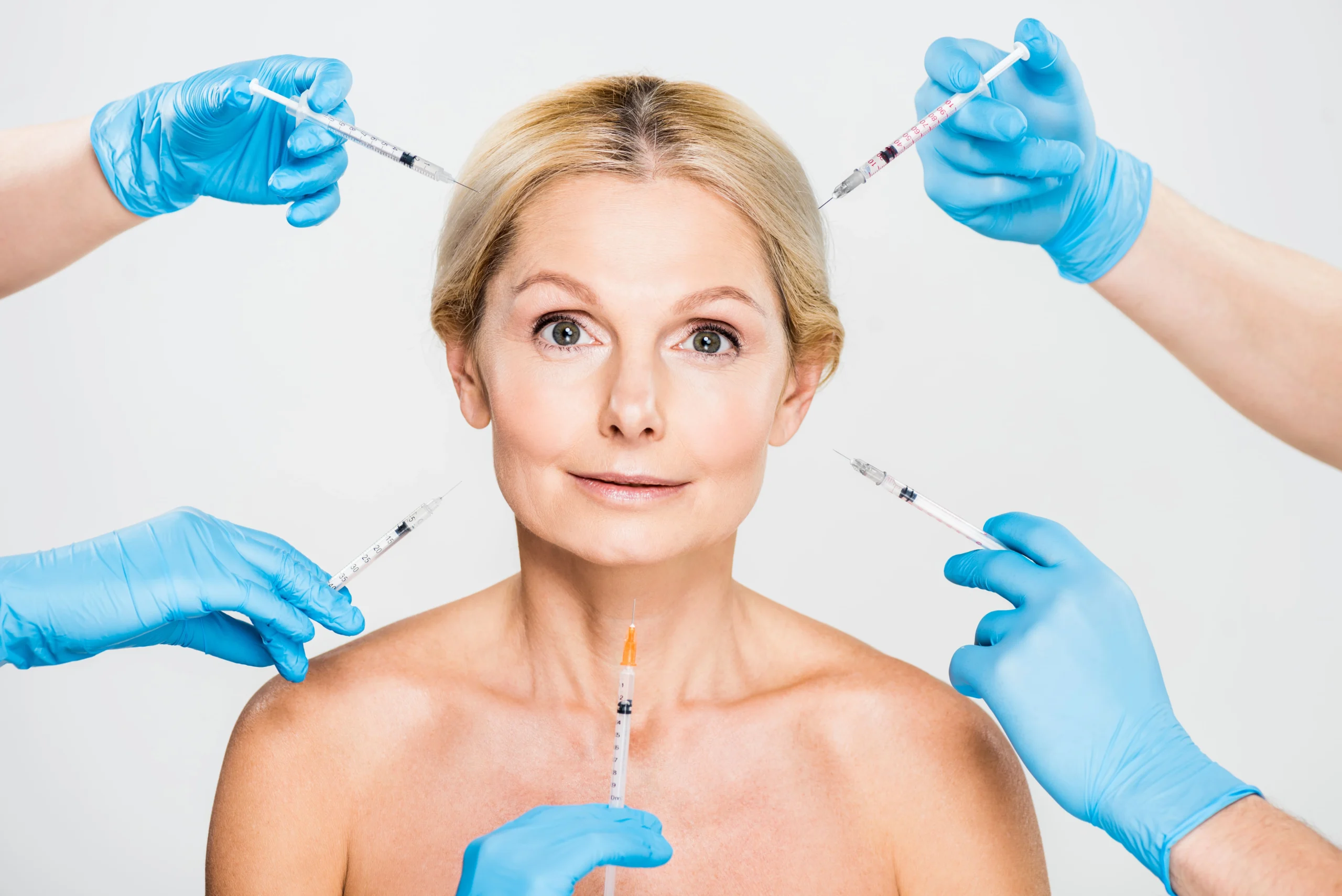
Anti-aging injections are non-surgical cosmetic treatments designed to reduce wrinkles, improve skin texture, and restore a more youthful appearance. These treatments are commonly performed in medical clinics and can provide natural results when done correctly.
Common types of anti-aging injections
The most common injectable treatments include Botox, dermal fillers, and regenerative injections. Botox works by relaxing the muscles that cause expression lines, especially on the forehead, between the eyebrows, and around the eyes. Dermal fillers are used to restore volume in areas such as the cheeks, lips, and under the eyes. They help smooth deep lines and improve facial contour. PRP and other regenerative injections use your own blood components to stimulate healing and collagen production. Skin boosters and collagen stimulators improve skin quality, hydration, and elasticity rather than simply filling wrinkles. These products are approved by the FDA and are widely used in aesthetic medicine when performed by trained medical providers.
Why Age Matters for Anti-Aging Treatments

Age is not the only factor when deciding when to start injections, but it does play an important role. As we get older, the skin naturally loses collagen, elastin, and fat volume. This process leads to fine lines, wrinkles, and sagging.
Research shows that collagen decreases about one percent each year after the age of twenty to twenty-five. Over time, small expression lines that appear only when you smile or frown can become permanent wrinkles that are visible even when your face is relaxed.
Because of this, doctors often talk about prevention versus correction. When treatment starts earlier, smaller amounts of product may be needed to prevent wrinkles from forming. When treatment starts later, more advanced techniques may be required to restore volume and smooth deeper lines.
In Your 20s: Preventive Anti-Aging Injections
Many people in their twenties do not need injections, but some may benefit from preventive treatments. Preventive Botox is a concept where small doses are used to reduce muscle movement before wrinkles become permanent. This approach is sometimes recommended for patients who have strong facial expressions, early lines caused by genetics, or very active forehead muscles. When used carefully, preventive injections can help slow the development of deeper wrinkles.
However, injections are not necessary for everyone in this age group. If the skin is smooth and there are no visible lines at rest, treatment may not be needed yet. A consultation with a medical provider can help determine whether prevention makes sense for you.
In Your 30s: The Most Common Time to Start
For many patients, the thirties are the most common time to begin anti-aging injections. During this stage, collagen production continues to decline and the skin begins to lose elasticity. Expression lines may remain visible even when the face is relaxed, especially around the eyes and forehead.
STAY UPDATED WITH THE BEST VIETNAMESE
Sign up for our newsletter to get the latest reviews, exclusive deals, and special offers right in your inbox.
At this age, Botox is often used to soften lines before they become deeper. Light fillers may be used to restore small areas of volume loss, and regenerative treatments such as PRP or microneedling can improve skin quality.
Starting treatment in the thirties often allows patients to maintain natural results with smaller amounts of product over time. Instead of trying to reverse aging later, the goal is to slow the process and keep the skin looking healthy.
In Your 40s and 50s: Correction and Rejuvenation
In the forties and fifties, aging becomes more noticeable because the skin becomes thinner and facial volume decreases. Wrinkles may be deeper, and the face may begin to look tired even when you feel well rested.
At this stage, a combination of treatments is usually more effective than a single injection. Botox can reduce muscle-related wrinkles, fillers can restore lost volume in the cheeks and jawline, and regenerative treatments can improve skin quality. Many patients worry that injections will make them look unnatural, but modern techniques focus on restoring balance rather than changing your appearance. The goal is to look refreshed, not frozen.
In Your 60s and Older: Are Anti-Aging Injections Still Helpful?
Anti-aging injections can still be helpful in your sixties and beyond, but the goals may be different. Instead of trying to completely remove wrinkles, treatment focuses on softening lines, improving facial shape, and restoring a healthy appearance. At older ages, skin quality and volume loss are usually the main concerns. Fillers, collagen stimulators, and regenerative treatments may be combined to create natural improvement without surgery.
It becomes especially important to have treatment done by an experienced medical provider, because the aging face requires careful planning and precise technique. Even later in life, injections can help patients feel more confident and refreshed without the risks of surgical procedures.
Signs You May Be Ready for Anti-Aging Injections
Age alone does not determine when you should start treatment. Some people in their thirties may need injections, while others in their forties may not. You may be ready for anti-aging injections if you notice that wrinkles remain when your face is relaxed, your skin looks tired even when you feel rested, or you see loss of volume in the cheeks or under the eyes.
Other signs include sagging skin, makeup settling into fine lines, or people frequently saying that you look tired or stressed. These changes often mean that collagen loss and muscle movement have begun to affect the appearance of the skin. A professional consultation can help determine whether injections are the right option for you.
Are Anti-Aging Injections Safe at Any Age?
Anti-aging injections are considered safe when performed by trained medical professionals using FDA-approved products. However, the safety and results depend greatly on the experience of the provider. Complications are more likely when injections are done by unqualified staff or in non-medical settings. This is why many patients choose to have treatment in a medical clinic rather than a spa. Clinical studies confirm that Botox and dermal fillers have a strong safety record when used correctly and in appropriate doses.
Anti-Aging Injections at TrueCare Medical
At TrueCare Medical, anti-aging injections are performed under medical supervision with a focus on natural and safe results. Each patient receives a personalized evaluation based on skin condition, age, and treatment goals. Instead of using the same approach for everyone, treatment plans are designed to maintain facial balance and improve skin quality gradually. This allows patients to look refreshed without looking overdone. You can learn more about available treatments here.
Conclusion
There is no single age when everyone should start anti-aging injections. Some people benefit from preventive treatment in their twenties, many begin in their thirties, and others start later when signs of aging become more noticeable. The best time to start depends on your skin, your genetics, and your goals. Early treatment can help prevent wrinkles, while later treatment can restore volume and improve skin quality. If you are unsure whether anti-aging injections are right for you, the best step is to schedule a consultation with a medical provider who can evaluate your skin and recommend the safest and most natural approach.