Are COVID-19 Vaccines Still Required for USCIS Medical Exams? (2026 Medical & Immigration Update)
As a physician experienced in the U.S. immigration medical process, one of the most frequent questions I encounter is: “Do I still need a COVID-19 vaccine for my USCIS immigration medical exam?”
This confusion is understandable. During the COVID-19 pandemic, vaccination requirements changed frequently, and immigration rules evolved alongside public health guidance. Many applicants remain concerned that missing a COVID-19 vaccination could delay their green card or adjustment of status application.
The good news is clear and reassuring: COVID-19 vaccination is no longer required for USCIS immigration medical exams. This article explains the current policy in detail, outlines what this change means for Form I-693, and clarifies which vaccination requirements still apply so applicants can proceed confidently and without unnecessary stress.
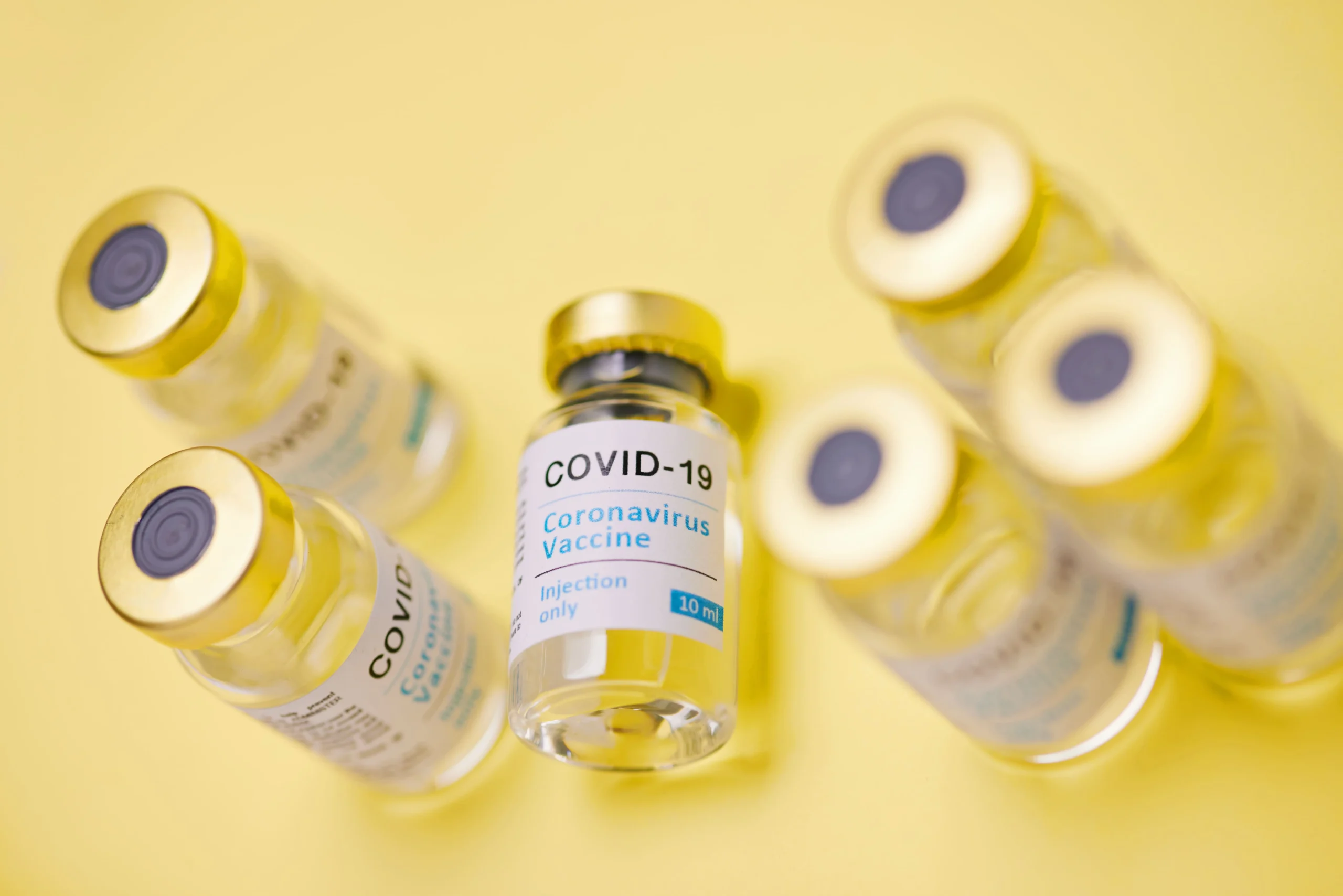
USCIS Policy Update: COVID-19 Not Required for Adjustment of Status
U.S. Citizenship and Immigration Services (USCIS) formally updated its policy in January 2025, confirming that COVID-19 vaccination is no longer a requirement for applicants filing for Adjustment of Status within the United States. This change applies specifically to applicants required to submit Form I-693, Report of Immigration Medical Examination and Vaccination Record, as part of their green card or permanent residence application.
From a regulatory and medical perspective, this update represents USCIS alignment with revised guidance issued by the Centers for Disease Control and Prevention (CDC), which removed COVID-19 from the list of required vaccines for immigration purposes (CDC Technical Instructions for Civil Surgeons).
Under U.S. immigration law, vaccination requirements are governed by Section 212(a)(1)(A)(ii) of the Immigration and Nationality Act (INA), which allows USCIS to require only those vaccines recommended by the CDC INA authority. Once the CDC removed COVID-19 from its required list, USCIS was legally required to update its policy accordingly.
Important Clarification: Other Vaccinations Still Required
While COVID-19 vaccination is no longer required for immigration medical exams, it is critical for applicants to understand that all other CDC-mandated vaccines remain fully in effect for USCIS purposes (USCIS vaccination requirements).
This distinction is essential. The removal of the COVID-19 vaccine requirement does not mean vaccination requirements have been eliminated altogether. USCIS continues to enforce routine immunization standards designed to protect public health, as required under U.S. immigration law.
Legal and Medical Framework for Required Vaccines

Under Section 212(a)(1)(A)(ii) of the Immigration and Nationality Act (INA), applicants for permanent residence must show proof of having received certain vaccinations recommended by the Centers for Disease Control and Prevention (CDC) (INA authority). USCIS relies on the CDC’s Technical Instructions for Civil Surgeons to determine which vaccines are required at the time of the immigration medical exam (CDC Technical Instructions). As of the current guidance, COVID-19 is no longer included, but multiple routine vaccines are still mandatory.
Common Vaccines Still Required for Form I-693
Depending on the applicant’s age, medical history, and immunization records, required vaccines may include. (See full USCIS-recognized list here).
STAY UPDATED WITH THE BEST VIETNAMESE
Sign up for our newsletter to get the latest reviews, exclusive deals, and special offers right in your inbox.
- Measles, Mumps, and Rubella (MMR)
- Tetanus and Diphtheria (Td or Tdap)
- Polio
- Hepatitis A
- Hepatitis B
- Varicella (Chickenpox)
- Influenza (required during flu season)
- Pneumococcal (age-specific)
- Meningococcal (when age-appropriate)
Civil surgeons must determine which vaccines are “age-appropriate” under CDC guidelines and verify whether the applicant has received them or requires administration during the exam (CDC age-appropriate criteria).
For a detailed explanation of each required vaccine, including age-based requirements, medical exceptions, and documentation tips, see our in-depth guide:
👉 What Vaccines Are Required for the USCIS Immigration Medical Exam?
Common Misunderstandings
This is a very common misunderstanding.
01.
If I’m not vaccinated against COVID-19, USCIS may deny my case
No. COVID-19 vaccination is not a basis for denial under current USCIS policy.
02.
Civil surgeons can refuse to complete Form I-693 if I lack COVID-19 proof.
Civil surgeons should follow guidance that allows completion without COVID-19 vaccine documentation.
03.
I still need medical waivers for COVID-19.
Waivers for COVID-19 vaccination are no longer necessary since the requirement has been removed. However, waivers may still apply for other contraindicated vaccines under standard CDC rules.
Medical Perspective & Public Health Context
From a clinical standpoint, COVID-19 vaccination continues to be an important preventive health measure, particularly for vulnerable populations, such as older adults and individuals with underlying health conditions.
However, immigration medical exam policies are based on specific sets of CDC Technical Instructions, which determine which vaccines are required to protect public health in the context of U.S. admissibility. COVID-19 no longer appears on this list for immigration purposes, reflecting the evolving epidemiology and public health prioritization of the disease.
How TrueCare Can Help
At TrueCare Medical Services, we provide comprehensive vaccination services tailored to USCIS immigration requirements. Our experienced clinicians:
- Review your vaccination history
- Identify missing required vaccines based on current CDC and USCIS guidance
- Administer all age-appropriate vaccines in one visit
- Provide complete documentation suitable for Form I-693
If you are preparing for your immigration medical exam and need vaccine support, visit TrueCare’s service page or contact us to schedule your appointment.
Contact Us Today For Vaccination Services Tailored To USCIS Immigration Requirements
Conclusion
The requirement for COVID-19 vaccination in the context of U.S. immigration medical examinations has been formally removed by both USCIS and the CDC. Applicants no longer need to provide this documentation as part of Form I-693 or overseas medical exams. This policy shift simplifies the medical exam process while maintaining adherence to core public health vaccination standards. Applicants should focus on meeting other required immunization criteria and consult with a qualified civil surgeon to ensure their medical examination is properly completed.