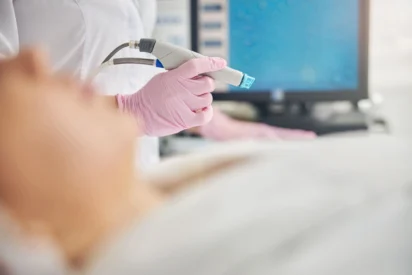
Form I-693 Explained: Common Mistakes That Delay Green Cards
Applying for a green card, especially through Adjustment of Status, can be both exciting and nerve-wracking. One of the most important steps in this journey is completing the immigration medical exam and submitting Form I-693, the Report of Immigration Medical Examination and Vaccination Record. This form documents your medical fitness and ensures you do not have health conditions that make you inadmissible under U.S. law.
Even small errors related to Form I-693 can lead to significant delays in processing, Requests for Evidence (RFEs), or even outright rejection of your adjustment application. Understanding the most common mistakes and how to avoid them, can keep your case on track and give you peace of mind throughout the process. Here’s a comprehensive look at what Form I-693 is, why it matters, and common pitfalls that can slow your green card application.
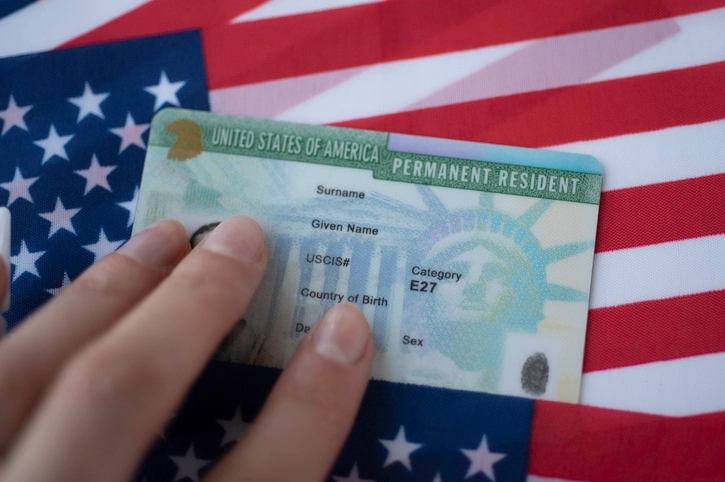
What Is Form I-693 and Why It Matters
Form I-693, officially titled Report of Immigration Medical Examination and Vaccination Record, is a required document for many individuals applying for lawful permanent residence (a green card) in the United States. It serves as official proof that an applicant has completed a medical examination conducted by a USCIS-designated civil surgeon and meets U.S. immigration health requirements.
The purpose of Form I-693 is twofold. First, it helps protect public health by screening for communicable diseases of public health significance, such as tuberculosis. Second, it confirms that applicants have received or are medically exempt from certain vaccinations required under U.S. immigration law. These requirements are established by the Centers for Disease Control and Prevention (CDC) and enforced by U.S. Citizenship and Immigration Services.
The CDC publishes detailed medical guidance for civil surgeons, which determines how immigration medical exams must be performed:
USCIS relies heavily on Form I-693 when reviewing adjustment-of-status applications (Form I-485). If the form is missing, incomplete, outdated, or improperly completed, USCIS may issue a Request for Evidence (RFE) or delay the green card application. According to USCIS data, RFEs related to medical documentation are a common cause of processing delays.
It is also important to understand that Form I-693 is only valid when completed by a USCIS-designated civil surgeon. Medical exams performed by non-authorized providers even licensed physicians will not be accepted. Once completed, the form must be placed in a sealed envelope by the civil surgeon and submitted to USCIS unopened. Opening the envelope automatically invalidates the form.
In short, Form I-693 is not just a routine medical document, it is a critical component of the green card process. Completing it correctly, at the right time, and with an experienced civil surgeon helps ensure your application moves forward without unnecessary delays or additional costs.
Common Form I-693 Mistakes That Can Delay Your Green Card
Even though the civil surgeon completes most of the form, your preparation and understanding of the process are critical. Below are the most frequent errors applicants make and how you can avoid them.
1. Using a Non-USCIS-Certified Doctor
One of the simplest but most costly mistakes is scheduling your medical exam with a provider who is not a USCIS-designated civil surgeon. USCIS will not accept a Form I-693 signed by a regular primary care doctor, urgent care clinic, or non-certified practitioner.
STAY UPDATED WITH THE BEST VIETNAMESE
Sign up for our newsletter to get the latest reviews, exclusive deals, and special offers right in your inbox.
Tip: Always verify your doctor’s civil surgeon status using the official USCIS Find a Doctor tool before booking your appointment. 👉 For a smooth and compliant medical exam, consider scheduling with experts experienced in USCIS procedures, such as the team at TrueCare Medical.
2. Bringing the Wrong or Incomplete Documents
Arriving without proper documentation is one of the most common reasons a Form I-693 gets delayed. You should bring:
- A valid government-issued photo ID (passport, driver’s license)
- Your vaccination or immunization records (translated if necessary)
- Completed but unsigned Form I-693
- Any relevant medical history or previous records
According to immigration resources, missing documentation like this often forces civil surgeons to reschedule tests or request follow-ups, which adds weeks or months to your application timeline.
3. Using an Outdated or Incorrect Form
USCIS periodically updates Form I-693, and only the most current edition is acceptable. Using an outdated form—especially one without the official barcode can lead to automatic rejection.
Tip: Always download the latest I-693 directly from the USCIS website.
4. Forgetting to Sign or Complete Your Portion
The applicant must complete and correctly sign specific sections of Form I-693 before seeing the civil surgeon. A surprisingly common issue is unsigned or partially completed applicant portions, which prevent the civil surgeon from finalizing the form.
Tip: Review the first few pages carefully and sign only where indicated—your civil surgeon will complete their portion later.
5. Missing or Incomplete Vaccination Records
One of the most frequent mistakes that delays green card applications is missing or incomplete vaccination records. USCIS requires applicants to show proof of having received specific vaccines as part of the immigration medical exam, based on age, medical history, and current CDC guidelines. Many applicants arrive at their medical exam without full documentation, especially if vaccinations were received overseas or records were lost over time. When documentation is missing, civil surgeons may need to administer additional vaccines or order immunity testing, which can add time, cost, and follow-up visits to the process.
USCIS vaccination requirements can be confusing, particularly because they differ from routine adult vaccination schedules and may change over time. Understanding what is required before your appointment can help you avoid delays and unnecessary repeat visits. For a clear, up-to-date breakdown of required immunizations, we recommend reviewing our detailed resource:
What Vaccines Are Required for the USCIS Immigration Medical Exam?
Preparing your vaccination records in advance and reviewing requirements ahead of time can significantly streamline your Form I-693 process and help keep your green card application moving forward.
6. Opening the Sealed I-693 Envelope
After your exam is complete, the civil surgeon places the completed Form I-693 in a sealed envelope. Do not open it. If the envelope is opened, USCIS considers the form invalid and may require a repeat medical exam.
7. Scheduling Too Early or Too Late
Timing matters. Form I-693 is only valid under certain conditions, and if you complete your medical exam too early before submitting your adjustment application (Form I-485), the form may expire before USCIS reviews it. Conversely, waiting too late can delay your entire green card process.
Best practice: Plan your medical exam close to when you intend to file the I-485, but early enough to allow time for follow-up tests or vaccinations.
Form I-693 Checklist: How to Avoid Delays
Before submitting your Form I-693, make sure you have:
- Scheduled your exam with a USCIS-designated civil surgeon
- Downloaded the current version of Form I-693 from the USCIS website
- A valid government-issued photo ID
- Complete vaccination records (translated if needed)
- Any relevant medical history or prior test results
- Signed your portion of the form where instructed
- Confirmed the form is placed in a sealed envelope
- Not opened the sealed envelope before submission
This quick checklist can help reduce the risk of RFEs, re-examinations, and unnecessary delays in your green card application.
Contact Us Today For Vaccination Services Tailored To USCIS Immigration Requirements
Conclusion
Form I-693 may seem bureaucratic, but it serves an important purpose: ensuring public health standards and compliance with U.S. immigration law. Because even minor errors like an outdated form or missing vaccination proof can delay your green card process, careful preparation matters.
If you’re preparing for your medical exam, working with a certified and experienced civil surgeon makes all the difference. Whether you need help completing the exam or want confidence your Form I-693 will be accurately filled and sealed according to USCIS requirements, clinics like TrueCare Medical are here to support you. Accurate preparation and attention to detail today can help you avoid setbacks tomorrow, keeping your immigration journey on track.