Retatrutide vs. Tirzepatide for Weight Loss
If you’re looking for retatrutide vs tirzepatide or tirzepatide vs retatrutide, it’s understandable. There has been interest around newer weight-loss drugs, especially since more patients are looking for alternatives to diet and exercise. That’s understandable since the CDC states that 40.3% obesity rate for U.S. adults is from August 2021 to August 2023. That shows the demand for medically supervised weight-loss care.
As it stands, these two drugs are not at the same level. Tirzepatide is already FDA-approved for chronic weight management for adults with obesity or for adults who are overweight with at least one weight-related condition. In one of the FDA reviewed trials with adults who did not have diabetes, those who were on the highest approved dose lost an average of 18% of their total body weight within 72 weeks. Meanwhile, retatrutide is still investigational, but with the early clinical data, it has created significant buzz in the obesity market. In a 2nd phase trial, participants with the highest dose lost on average 24.2% of their total body weight at the end of 48 weeks.
That’s why these comparisons matter: one of the options is available now, while the other one is still a developing, but promising treatment. If you are trying to find a weight loss clinic in Atlanta, consider looking at these options with a doctor, especially one who can customize a treatment plan to your medical history, goals, and safety concerns. TrueCare Medical might come up for local readers.
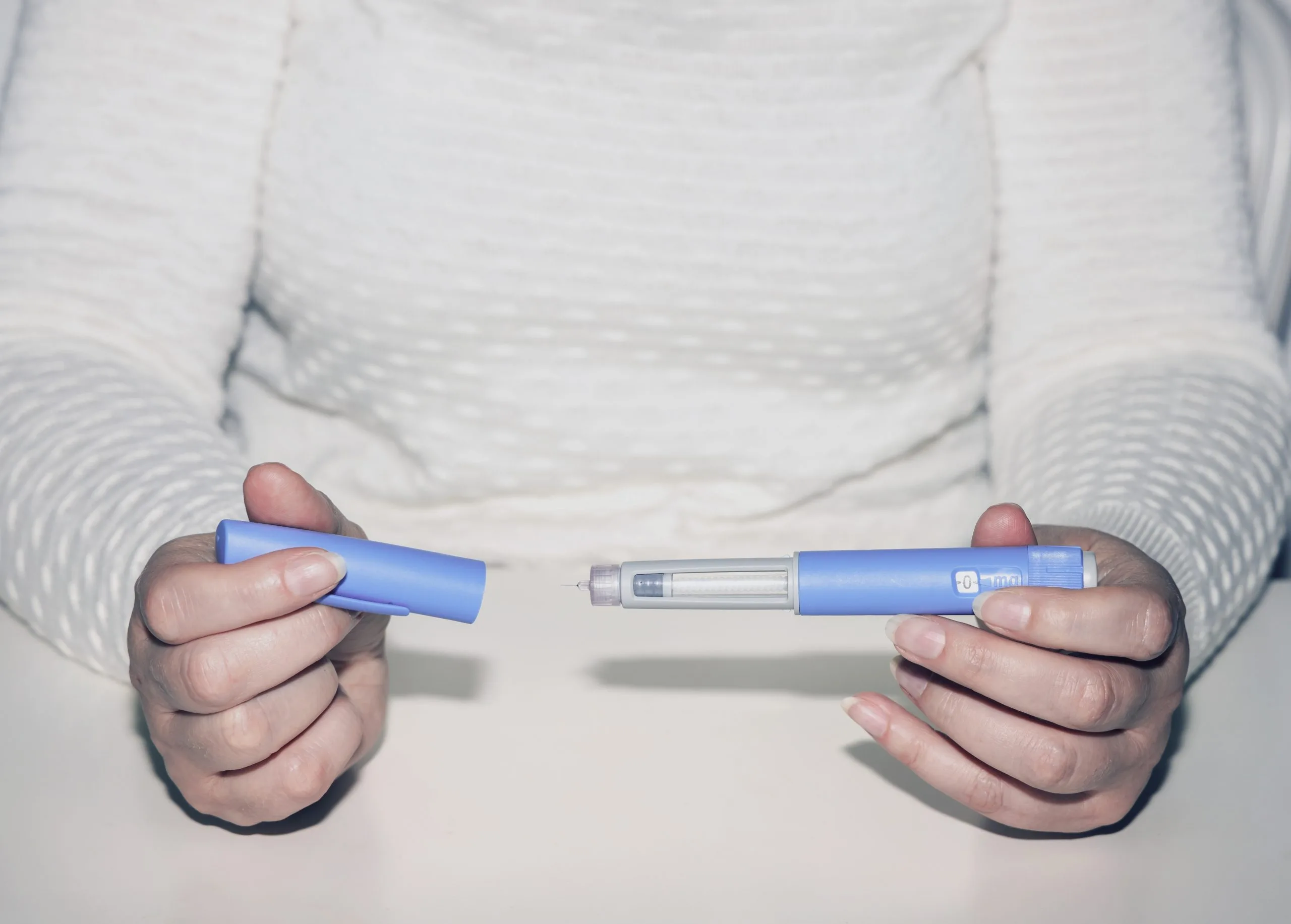
What Is Tirzepatide for Weight Loss?
Tirzepatide is the active ingredient in Zepbound, an FDA-approved prescription medication for chronic weight management. It is approved for adults with obesity and for adults who are overweight with at least one weight-related condition, such as high blood pressure, type 2 diabetes, or high cholesterol. It is meant to be used alongside a reduced-calorie diet and increased physical activity, not as a standalone shortcut.
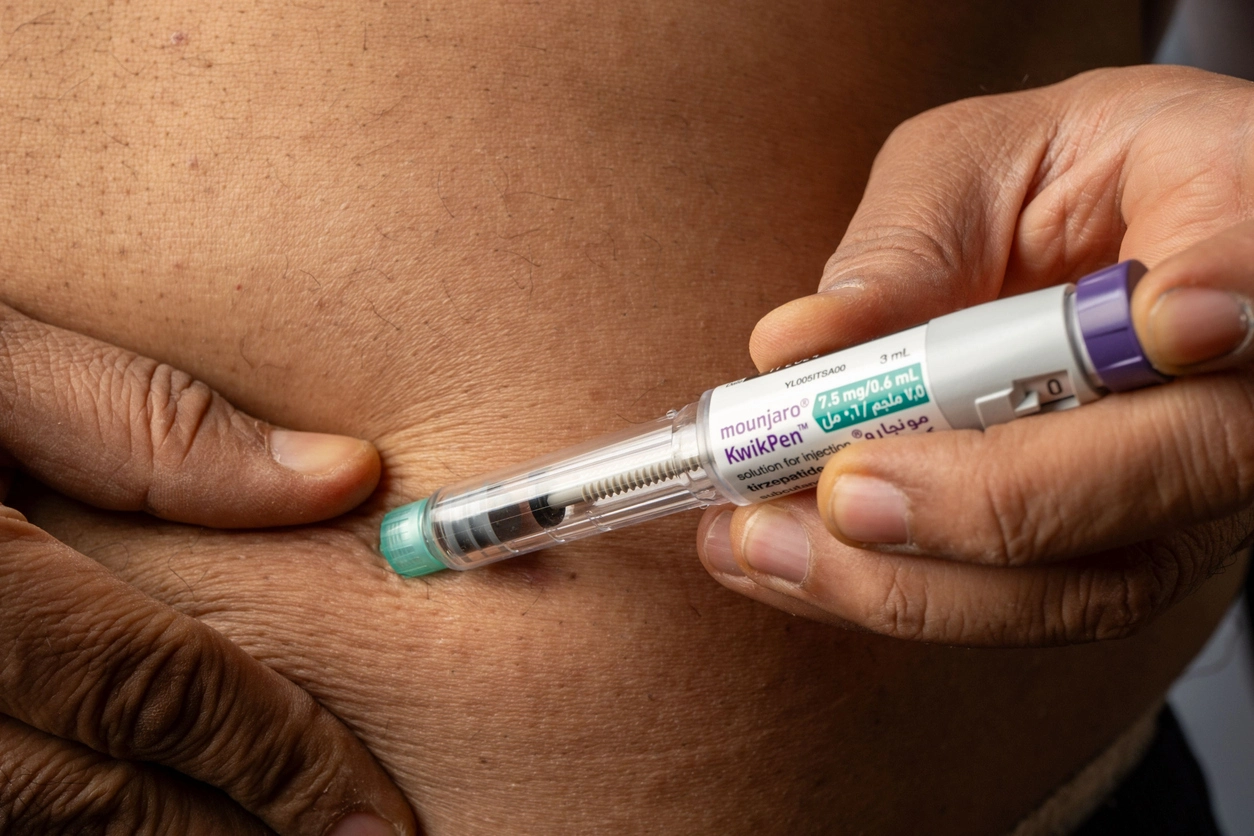
What makes tirzepatide different is how it works. Zepbound contains tirzepatide, which is a GIP receptor and GLP-1 receptor agonist. In simple terms, it acts on two incretin hormone pathways linked to weight regulation, which is why it has become one of the most talked-about medications in modern obesity treatment. Eli Lilly describes it as the first approved treatment in this category to activate both of these receptors for chronic weight management.
Comparing tirzepatide vs retatrutide, the key point is availability: tirzepatide is available now by prescription, while retatrutide is still being studied. That makes tirzepatide the real-world option for patients who want to discuss medically supervised treatment today.
What Is Retatrutide and Why Is It Getting Attention?
Retatrutide is an investigational once-weekly medication being studied for obesity and related metabolic conditions. Unlike tirzepatide, which is already available by prescription, retatrutide is still in clinical development and is not yet a standard treatment option in everyday practice. Lilly describes it as a single molecule that activates GIP, GLP-1, and glucagon receptors, which is why it is often referred to as a triple hormone receptor agonist.
The reason patients are so interested in retatrutide vs tirzepatide is the early weight-loss data. In the published Phase 2 trial, adults with obesity who received the 12 mg dose had an average 24.2% reduction in body weight at 48 weeks, compared with 2.1% in the placebo group. The most common side effects were gastrointestinal, and the study also noted dose-dependent increases in heart rate that peaked earlier in treatment and then declined.
Retatrutide gained even more attention after Lilly announced positive Phase 3 TRIUMPH-4 topline results in December 2025. In that trial, participants with obesity or overweight plus knee osteoarthritis taking retatrutide 12 mg lost an average of 28.7% of body weight at 68 weeks. Still, it remains investigational, and Lilly noted that detailed Phase 3 results would be presented later and published in a peer-reviewed journal.
Retatrutide vs. Tirzepatide: How Do They Work?
When people search retatrutide vs tirzepatide, the biggest scientific difference is the number of hormone pathways each drug targets. Tirzepatide activates two incretin receptors: GIP and GLP-1. Retatrutide is designed to activate three receptors: GIP, GLP-1, and glucagon. In simple terms, both are built to support appetite and metabolic control, but retatrutide is being studied as a more complex “triple-agonist” approach.
STAY UPDATED WITH THE BEST VIETNAMESE
Sign up for our newsletter to get the latest reviews, exclusive deals, and special offers right in your inbox.
The practical difference is even more important for patients. Tirzepatide (Zepbound) is already FDA-approved for chronic weight management in eligible adults, so it can be prescribed now. Retatrutide is still in late-stage development, with published Phase 2 data and ongoing/announced Phase 3 results, which means it is still an emerging option rather than a routine prescription choice today.
| Feature | Tirzepatide | Retatrutide |
|---|---|---|
| Current status | FDA-approved as Zepbound for chronic weight management in eligible adults. | Still investigational and in Phase 3 development. |
| Hormone targets | GIP + GLP-1 receptor agonist. | GIP + GLP-1 + glucagon receptor agonist. |
| Availability | Available now by prescription through medical supervision. | Not a standard commercial prescription option yet. |
| Key weight-loss data often cited | FDA noted up to 18% average weight loss at 72 weeks in adults without diabetes in the approval summary. | Published Phase 2 data showed 24.2% average weight loss at 48 weeks at the 12 mg dose; Lilly later announced 28.7% at 68 weeks in Phase 3 TRIUMPH-4 topline results. |
| Best way to describe it today | A current treatment option patients can discuss now. | A promising next-generation option still being studied. |
Because these numbers come from different studies with different timelines, they should be used as a general context, not as a true head-to-head winner. The fairest takeaway is that tirzepatide is the established option available now, while retatrutide is the high-interest drug that may become important if later trial data and regulatory review continue to go well.
Which one should I choose? Retatrutide vs. Tirzepatide
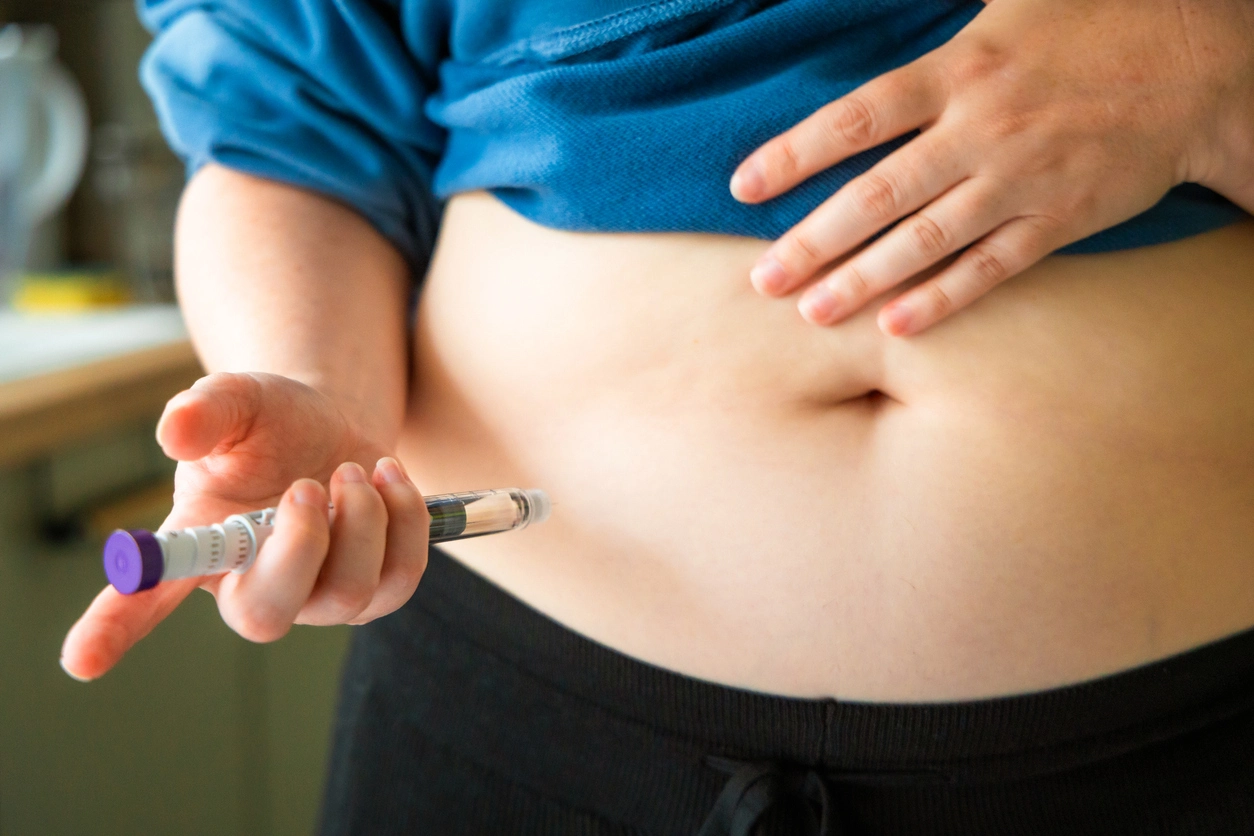
When comparing tirzepatide vs retatrutide, the biggest reason patients are curious is the weight-loss data. Tirzepatide already has strong Phase 3 evidence and FDA approval for chronic weight management. In the FDA approval summary for Zepbound, the agency said that in one of the key 72-week trials in adults without diabetes, patients who received the highest dose lost an average of 18% of their body weight, compared with placebo. The underlying SURMOUNT-1 trial published in The New England Journal of Medicine reported even more detailed results, showing mean weight reductions of 15.0% with 5 mg, 19.5% with 10 mg, and 20.9% with 15 mg at 72 weeks.
Retatrutide has drawn even more attention because its early study results were larger, but it is still not approved. In the Phase 2 obesity trial published in The New England Journal of Medicine, participants on the 12 mg dose had an average 24.2% reduction in body weight at 48 weeks. That is one of the main reasons retatrutide is often described as a possible next-generation obesity medication.
Still, this is not a true head-to-head comparison. The tirzepatide and retatrutide numbers come from different studies, different timelines, and different trial designs, so readers should not treat the percentages as a direct winner-versus-loser result. The fairest takeaway is this: tirzepatide has proven results and is available now, while retatrutide has very promising early data but remains investigational.
Retatrutide vs. Tirzepatide: Side Effects and Safety
When comparing retatrutide vs tirzepatide, the first thing patients should know is that both medications are most commonly linked to gastrointestinal side effects. For tirzepatide (Zepbound), the FDA label says the most common adverse reactions reported in at least 5% of patients are nausea, diarrhea, vomiting, constipation, abdominal pain, dyspepsia, injection-site reactions, fatigue, hypersensitivity reactions, burping, hair loss, and gastroesophageal reflux disease.
For many patients, stomach-related symptoms are the main reason treatment feels difficult early on. In pooled Zepbound weight-loss trials, gastrointestinal adverse reactions occurred in 56% of patients on Zepbound vs. 30% on placebo, and the label notes that most nausea, vomiting, and diarrhea events happened during dose escalation and decreased over time. Severe gastrointestinal reactions were reported more often with Zepbound than placebo, and the drug is not recommended in patients with severe gastrointestinal disease, including severe gastroparesis.
Tirzepatide also carries important warnings beyond routine side effects. The FDA label includes a boxed warning about thyroid C-cell tumors seen in rats, and Zepbound is contraindicated in people with a personal or family history of medullary thyroid carcinoma (MTC) or MEN 2. The prescribing information also lists warnings for acute kidney injury, gallbladder disease, pancreatitis, hypersensitivity reactions, hypoglycemia, suicidal behavior/ideation, and aspiration risk during anesthesia or deep sedation.
For retatrutide, the safety picture is still developing because it remains investigational. In the published Phase 2 obesity trial, the most common adverse events were gastrointestinal, they were dose-related, and they were mostly mild to moderate. The study also reported dose-dependent increases in heart rate that peaked around 24 weeks and declined afterward, which is one reason retatrutide should still be viewed as promising but not fully defined from a long-term safety standpoint yet.
The simple takeaway: tirzepatide has a clearer, labeled safety profile because it is already approved, while retatrutide may offer strong future potential but still needs more real-world and late-stage safety data. That’s why patients should make this decision with a qualified medical provider rather than based on weight-loss percentages alone.
Cost, Access, and Availability of Tirzepatide vs. Retatrutide
For most patients, this is where the difference between tirzepatide vs retatrutide becomes the easiest to understand: tirzepatide is available now by prescription, while retatrutide is still limited to research settings and clinical trials.
| Category | Tirzepatide (Zepbound) | Retatrutide |
|---|---|---|
| Current status | FDA-approved and currently available for eligible patients by prescription. | Still investigational and not approved for routine prescribing yet. |
| How patients can access it | Through a licensed medical provider; Lilly also offers self-pay and coverage tools through its official channels. | Mainly through enrollment in clinical trials. |
| Self-pay pricing | Lilly’s current listed regular prices are $299 for 2.5 mg, $399 for 5 mg, $499 for 7.5 mg, and $699 for 10 mg, 12.5 mg, and 15 mg. | No standard retail price because it is not commercially available. |
| Special savings / program pricing | Under the Zepbound Self Pay Journey Program, Lilly says eligible patients can pay $449 per month for 7.5 mg, 10 mg, 12.5 mg, and 15 mg, with refill timing rules and terms that apply. | No commercial savings program is available because it is still in clinical development. |
| Insurance | Coverage can vary. Lilly provides separate paths for patients with commercial insurance and for self-pay patients whose insurance does not cover Zepbound. | Insurance coverage does not apply in the normal retail sense because it is not yet a standard prescription product. |
How a Weight Loss Clinic in Atlanta Can Help You Choose
Choosing between tirzepatide vs retatrutide should not come down to hype alone. A good weight loss clinic in Atlanta can help you review your BMI, medical history, weight-related conditions, side-effect risks, lab work, and whether you need a treatment that is available now or one that is still being studied. That matters here because tirzepatide is already FDA-approved for chronic weight management, while retatrutide is still in clinical trials.
If you are looking for a weight loss clinic in Atlanta, working with a provider who can guide you through safe, medically supervised care can make a major difference. At TrueCare Medical, we offer board-certified care for adults 18+ with a focus on personalized treatment, and our website highlights weight loss as one of our core services. We also offer telemedicine and serve patients from our Lilburn and Suwanee locations, giving adults a convenient way to access ongoing support and follow-up care.
At TrueCare, we believe weight loss should be approached with real medical guidance,not guesswork. A supervised plan can help you understand whether a medication like tirzepatide fits your current needs, what side effects to watch for, how to monitor progress, and when lifestyle changes should work alongside treatment. Our site also emphasizes trust, transparency, and personalized care, which aligns closely with what patients need when making long-term decisions about weight management
Contact Us Today For Vaccination Services Tailored To USCIS Immigration Requirements
Conclusion
When comparing retatrutide vs tirzepatide, the biggest takeaway is simple: tirzepatide is the current treatment option patients can discuss now, while retatrutide is a promising investigational medication that still needs more clinical development and regulatory review. Both are important in today’s obesity conversation, but they are not equally available today.
That is why the smartest next step is not just choosing the drug with the most exciting headline—it is choosing the right medical guidance. A qualified clinic can help you weigh effectiveness, side effects, safety, cost, and access based on your real health needs. If you are looking for a weight loss clinic in Atlanta, TrueCare Medical is a practical local option.