Types of Hypertension: Understanding High Blood Pressure
High blood pressure medically known as hypertension is one of the most common, yet most overlooked health conditions in the world. The World Health Organization (WHO) reports that 1.4 billion adults aged 30–79 are currently living with hypertension, and nearly half of them are unaware of their condition.
Because hypertension often shows no symptoms until major damage occurs, it is frequently called the “silent killer.” Understanding the types of hypertension helps patients recognize their risks early and seek the right care before complications develop. This guide breaks down the major categories of high blood pressure, their causes, and how they are treated — along with where to get reliable care.
6 Types of Hypertension
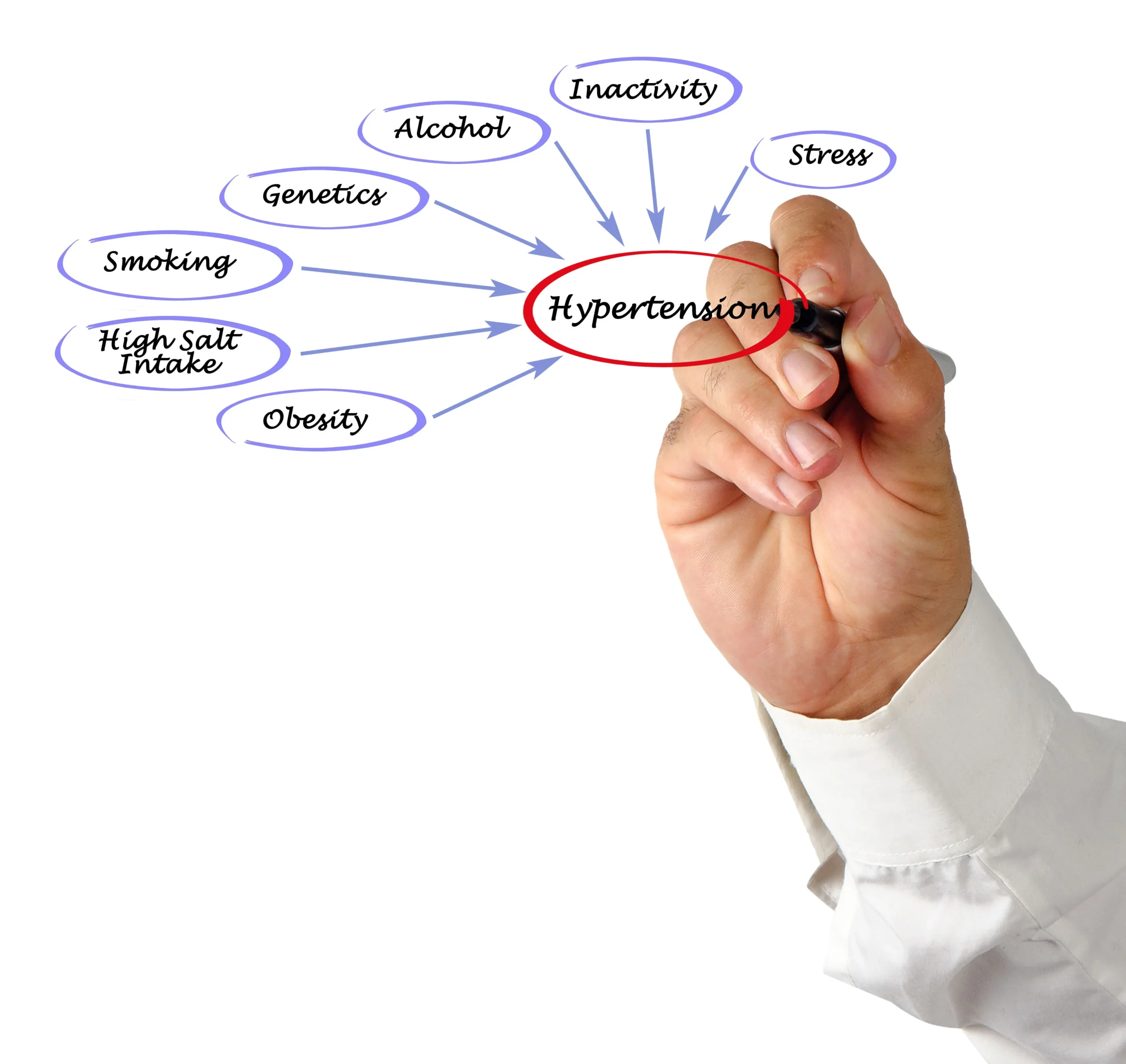
Hypertension is not a single condition but a broad term that includes several distinct forms of high blood pressure. Each type has its own causes, characteristics, and health risks. Understanding these differences helps patients and providers identify the right treatment path and prevent long-term complications.
1. Primary (Essential) Hypertension
Primary hypertension is the most common form, accounting for 90–95% of all high blood pressure cases. According to Medscape, this type of hypertension develops gradually over time and does not have a single identifiable cause. Instead, it results from a combination of genetic factors, age-related changes, and lifestyle influences. People with a family history of hypertension, those who consume excessive sodium, individuals who smoke or drink heavily, and adults who are overweight or physically inactive all face greater risk.
Because primary hypertension progresses silently, many patients may not realize they have elevated blood pressure until it is discovered during a routine exam or after complications occur. Early monitoring and healthy lifestyle habits play a critical role in managing this widespread condition.
2. Secondary Hypertension
Secondary hypertension accounts for roughly 2–10% of hypertension cases and is directly caused by an underlying medical issue. Kidney disease, thyroid disorders, adrenal gland conditions, and obstructive sleep apnea are among the most common contributors. In addition, certain medications including NSAIDs, birth control pills, steroids, and decongestants can trigger or worsen high blood pressure.
Common causes include:
- Chronic kidney disease
- Thyroid disorders
- Adrenal gland disorders
- Obstructive sleep apnea
- Certain medications (NSAIDs, birth control pills, steroids, decongestants)
- Alcohol misuse
Unlike primary hypertension, secondary hypertension often appears suddenly and tends to be more severe. Because high blood pressure is a symptom of another problem, effective management depends on diagnosing and treating the root cause. Once the underlying issue is addressed, many patients experience significant improvement or even resolution of their elevated blood pressure.
3. Isolated Systolic Hypertension
Isolated systolic hypertension occurs when the systolic value (top number) is high while the diastolic value (bottom number) remains normal. This form is especially common in older adults, as arteries naturally stiffen with age. Even though diastolic pressure is normal, elevated systolic pressure still increases the risk of:
- Heart attack
- Stroke
- Heart failure
Many adults mistakenly assume they are “fine” because only one number is high — but isolated systolic hypertension carries serious cardiovascular risks.
STAY UPDATED WITH THE BEST VIETNAMESE
Sign up for our newsletter to get the latest reviews, exclusive deals, and special offers right in your inbox.
4. Resistant Hypertension
Resistant hypertension is diagnosed when blood pressure remains high despite taking three or more blood pressure medications, including a diuretic. Factors contributing to resistant hypertension include:
- Poor medication adherence
- Obesity
- Kidney disease
- Sleep apnea
- High alcohol consumption
- Hidden secondary causes
Patients with resistant hypertension often need a personalized treatment plan and more advanced monitoring to identify contributing factors.
5. Malignant Hypertension
Malignant hypertension also known as hypertensive crisis is a severe, life-threatening condition where blood pressure rises extremely high (e.g., 180/120 mmHg or higher) and causes organ damage. Symptoms may include:
- Severe headache
- Chest pain
- Blurred vision
- Shortness of breath
- Confusion
This condition is a medical emergency. Without immediate treatment, it can lead to heart failure, stroke, kidney failure, or permanent vision loss. Anyone experiencing these symptoms should call emergency services right away.
6. Portal Hypertension
Portal hypertension is different from the other forms discussed above. It does not refer to arterial high blood pressure. Instead, it is an increase in pressure within the portal vein, which carries blood to the liver. Causes commonly include:
- Liver cirrhosis
- Chronic liver disease
- Blood clots in the portal vein
While portal hypertension is not the same as systemic high blood pressure, it is important to distinguish it especially for patients with liver conditions because it requires specific medical management.
Treatment Options for Different Types of Hypertension
Managing hypertension effectively depends on identifying the specific type a patient has and tailoring care to their unique needs. While every type of high blood pressure requires medical attention, treatment generally falls into three main categories: lifestyle changes, medications, and addressing underlying causes. Below is a detailed explanation of each approach.
1. Lifestyle Modifications
Lifestyle changes are the foundation of hypertension treatment and are recommended for nearly all patients regardless of the type of high blood pressure they have.
Reducing sodium intake is one of the most effective steps, as high salt consumption contributes significantly to elevated blood pressure. Patients are encouraged to adopt a heart-healthy eating pattern such as the DASH diet, which emphasizes fruits, vegetables, whole grains, lean proteins, and low-fat dairy.

Increasing physical activity is also essential; even moderate exercise like brisk walking for 30 minutes a day can improve cardiovascular health and lower blood pressure. Maintaining a healthy weight, limiting alcohol, avoiding tobacco, managing stress, and improving sleep habits all play important roles in long-term blood pressure control.
2. Medications
For many individuals, especially those with primary, isolated systolic, or resistant hypertension, medication is a crucial part of controlling high blood pressure. Doctors may prescribe several classes of antihypertensive medications, each working in different ways. Diuretics help reduce fluid buildup in the body, ACE inhibitors and ARBs relax blood vessels, beta-blockers reduce heart workload, and calcium channel blockers help the arteries stay open and flexible.
In some cases, patients may need a combination of two or more drugs to achieve healthy blood pressure levels. Medication plans are individualized based on the type of hypertension, the patient’s age, medical history, and how the body responds over time. Ongoing monitoring ensures that the treatment remains effective and well-tolerated.
3. Treating the Underlying Cause
This step is especially important for patients diagnosed with secondary hypertension, where high blood pressure is a result of another medical condition. Effective treatment must address both the elevated blood pressure and the condition driving it. For example, managing chronic kidney disease, correcting thyroid imbalances, treating adrenal disorders, or addressing obstructive sleep apnea can significantly improve blood pressure control.
Adjusting or discontinuing medications that raise blood pressure may also be necessary. In resistant hypertension, identifying contributing factors, such as undiagnosed sleep apnea, excessive sodium intake, obesity, or inconsistent medication use, can help refine the patient’s treatment plan. For portal hypertension, treatment focuses on managing liver disease, improving blood flow in the portal system, and preventing complications. By targeting the root cause, patients often experience better outcomes and more stable blood pressure in the long term.
Take Control of Your Hypertension at TrueCare Medical
If you are looking for professional, compassionate care for high blood pressure, TrueCare Medical provides personalized and comprehensive hypertension management. Their High Blood Pressure Care service helps patients:

- Accurately diagnose the type of hypertension
- Build a customized treatment plan
- Make lifestyle changes with medical guidance
- Receive ongoing monitoring and follow-up
- Reduce long-term complications through preventive care
Learn more or schedule an appointment here.
Contact Us Today For All Your Health Care Needs!
Conclusion
Managing high blood pressure is not just about lowering numbers, it’s about protecting your heart, kidneys, brain, and long-term health.
Hypertension is a complex condition with multiple forms, including primary, secondary, isolated systolic, resistant, malignant, and portal hypertension. Understanding the different types of hypertension helps individuals recognize risks early, take preventive steps, and seek appropriate care.
While high blood pressure is common, it is also highly manageable when treated properly. Early detection, healthy lifestyle changes, and partnering with a trusted medical provider are key to long-term wellness.
If you are concerned about your blood pressure or want support managing it, TrueCare Medical is ready to help you take control of your health with expert, patient-focused care.